

Search: Tackling 12 Techniques Under Pressure
Tackling 12 - Techniques under Pressure
 3:51
3:51
Player Welfare and Tackle Technique
Head injuries are a serious consequence to rugby and an area that deserves the attention of all players and coaches. Be proactive by coaching and re-coaching tackle technique to reinforce good habits.
 5:07
5:07
Tackle Technique - Full Session
[WITH DRILL VIDEOS] This session from Joe Goodman (Bristol University Rugby) has been designed to prepare players for a return to full contact competition, re-establishing correct technique to ensure safe, efficient tackling through progressively increasing the level of contact and complexity of skill execution.
To watch over 2500+ videos join now for free!
JOIN NOW 1:20
1:20
Developing Low Tackle Technique
Here is a new drill from London Scottish that encourages players to stay low in the approach and throughout the tackle
Tom Wood on Tackle Technique
 12:52
12:52
Tackle Technique - Progressions for Juniors
This clip illustrates tackle technique using progressions suitable to all players and possibly requiring regular revisit to embed safe and effective tackling
 1:24
1:24
Tackle Technique Summary
Basic tackle technique is essential to rugby players of all ages and standards.
 1:45
1:45
Tackle Technique in groups
Give players the opportunity to practice their tackling technique. In groups of five, one player in the middle has four tackle attempts. Make sure everyone has a go and the key points are repeated.
 6:05
6:05
Tackle Technique & Progressions
Introducing tackle technique to players is a challenging process and the Wasps coaches ensure the players understand and are competent at each step prior to progressing to the next one
 6:44
6:44
Coaching tackle technique & progressions - Mini
Coaching tackle technique never stops. As players get older, the challenges become more complex and coaches need to provide more detail to improve the finer skill sets. This video provides some expert tips that may help you improve tackle technique and the first phase of the ruck / breakdown.
Tackle technique
Learning Tackle Technique
 0:46
0:46
Tackle Technique Warm-up
Tackle Technique Warm-up
 5:57
5:57
Games & drills for tackle technique
The Falcons coaches use a variety of games and breakout drills to progress their tackle technique session. The players respond to questions to vary the style of coaching
Tackle technique 5
Tackle technique 5
 1:57
1:57
Tackle Technique Tips
Defence is a crucial part of the game, and it all starts with a solid tackle technique. Here's an introduction into a typical defence session, with some basic progressions focusing on body position and linespeed. Log in to see the full session.
 3:21
3:21
NSW Waratahs Tackle Technique
Some insight into how the NSW coaches approach coaching the tackle. This clip provides some tips on "How to coach" and some practical examples
Tackle technique
Learning the tackle technique
 2:54
2:54
Quins - Tackle Technique 1 v 1
A new tackle technique exercise without the "Bone on Bone" collisions
 1:28
1:28
Tackle Technique 1/5 - Foot Position
The first step in this session on improving tackle technique, is focused on foot position and getting a strong base close to the target.
 0:51
0:51
Tackle Technique - Introduction
The introduction of tackling is regarding by many coaches as the biggest challenge for volunteer coaches. This clips provides a summary of the main points
 1:04
1:04
Tackle Technique in channel
Use a channel with attackers and defenders to progress the tackle technique, mix the players up so they all have opportunities. Reinforce the coaching points and give praise regularly
 3:33
3:33
Quins - Choke Tackle Technique
Harlequins coaches and players discuss the choke tackle, as well as the importance of enjoyment at training, and differences between players
 1:32
1:32
Double-tackle Technique
Double-tackles are useful against a team who like to offload. Leg drive can put them on the back-foot.
Tackling 6 - Revision of Tracking and Basic Technique
 1:21
1:21
Tackle Technique - Boxer's Hands
Players should have their hands up ready, so they can wrap around when making a tackle.
Tackle Technique Intro
 5:15
5:15
Coaching tackle technique in groups
The ability to move from 1 to 1 tackling exercises into unit & group skills can be tricky. Here are some tips that you could use
 3:40
3:40
Tackle Techniques For Hard Ground
Tackle practise during the summer months can be tricky with the hard grounds. Using contact shields to improve the key safety features should be part of your training toolbox
 0:50
0:50
Tackle Technique - Tight Grip
As the tackler wraps his arms, they should try to grip on to execute a more secure tackle.
 2:11
2:11
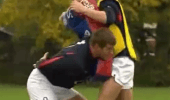
Tackle Technique - Head Position
With the attacker holding a tackle shield, and running either left or right of the defender, the key point of this drill is ensure the tackler's head is on the right side.
 1:00
1:00
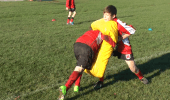
Tackle Technique 2/5 - Body Height
This step concentrates on achieving a lower body position before making a tackle.
Tackle technique 1
Tackle technique 3
 0:59
0:59
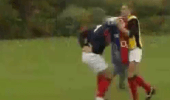
Tackle Technique - Down/Up and hit shield
Originally a rugby league practise this exercise is used for players to gain confidence in contact with both contact shields and the ground. Body position is important as is leg drive and the speed of hitting the ground and getting back up again. You can do this in lines and use it for fitness
 1:14
1:14
Tackle Technique 3/5 - Drive Through
This stage looks at tackler maintaining a square body position and following their feet to drive through.
 2:59
2:59
Quins Defence - Tackling in units 3 v 3
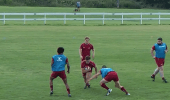
This exercise is part of a tackle technique progression and pitches 3 attackers v 3 defenders. As in match play the attacking players will present different challenges to the defenders. The coaches can choose to alter the conditions to put more or less pressure on the players
 4:34
4:34
Game - Tackle Touch
Whether you're introducing tackling to young players for the first time, or re-introducing it to senior players after a summer away, this is a great game to play to ease back into it. It isolates the 1v1 tackle and puts emphasis on technique without the high speed impact of a full contact game.
 1:36
1:36
The Choke Tackle
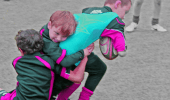
The choke tackle is a technique used to slow attacking ball down. By wrapping the attacker high around the ball and lifting them slightly, their momentum is reduced and they are unable to make the offload. The longer a tackler can keep them from going to ground, the more time the rest of the defence have to get ready.
 5:24
5:24
Develop Confidence For Tackling
Developing confidence in and around the tackle is very important when starting to teach tackle techniques. This clip provides a few ideas that you could use in your sessions
 5:51
5:51
Tackling - When is the tackle completed?
It is very much an individual choice as to when a tackle is completed to when the defender can compete for the ball. What is generally accepted is that good tackle technique will enable the defender to "Be ready" for his next task. This clip explores why a strong grip or "Ring of steel" will enable the tackler to be dominant
 5:28
5:28
Kiwi Tackling - Pre Tackle Practises
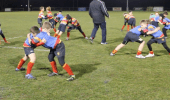
Sharing our coaching ideas is great for the game. Players in New Zealand hone their skills at an early age and it is globally accepted that they have the best techniques across all positions. Coaching the tackle is a key fundamental that all players practise regularly
 6:32
6:32
Tackling - Hook & Grip For Safety
The "Hook & Grip" element in the tackle creates strong & effective contact with your opponent which enables accurate tackling. A strong grip (Ring of Steel), is the precursor to a dominant tackle and this skill is crucial for all players. The practises in this video are excellent for players who may lack confidence or where you have a variety of competence among your squad
 4:03
4:03
Wasps - Footwork The Key To Big Tackles
Aggressive tackling is fundamental to Wasps performances and their players physicality is part of their DNA. Brad Davis overseas a tackle technique session that will change your approach to coaching the tackle
 3:54
3:54
Intro To Safe Tackling
In this video we take a look at how these coaches introduce young players to safe tackle technique.
Offensive Front Tackle
The offensive front tackle
This practice shows front tackle technique when the defender is in a strong and balanced position
 5:13
5:13
How to coach the Catch or Choke Tackle
Some of the latest ideas around tackle technique and what defenders are trying to achieve. This session provides the technical progressions needed to teach the choke / catch tackle
 2:28
2:28
Tackling Game
A full-contact game with uncontested breakdowns, conditioned to have one team attacking for an extended time. The focus is on the defenders, who each have two tennis balls, to concentrate on their tackle technique.
Tackling 9 - Revise Tracking and Front Tackling
 2:24
2:24
1 v 1 Tackling in Channel
An opportunity for players to put what they have learnt on tackle technique into practice. Each tackle is observed by all other players who can give feedback. Ensure all players have a go at attacking and defending.
 3:48
3:48
Junior Tackle and Breakdown
Good tackle technique leads into being effective at the breakdown, this clip provides advice on how to coach the tackle combined with the next phase of getting to your feet and competing for the space or ball
 4:17
4:17
Technical Fitness with Tackle Bags
Tackle bags are a great tool to use in your conditioning sessions. The reduced impact allows players to peform high repititions of contact technique under fatigue, with low risk of injury.
 5:54
5:54
Defence - Tackle Progressions
Understanding tackle techniques and the progressions is integral for all coaches as a basic fundamental in coaching contact. The IRB "rugby ready" course provides a step by step approach to compliment the technques in this section
 4:10
4:10
Wasps Tackle Safely & Dominate
Coaching a safe head position for tackling is not only a "Duty of care" for coaches but it also developes great body position and the platform to drive your opponents backwards. This video shows how physical the Wasps players are but not without safety & accurate technique
 1:45
1:45
Introduction to tackling - Step 1
To build confidence in tackling technique and taking contact, it can be a good idea to start with players on their knees.
 1:30
1:30
Learning to tackle - Step 5
Putting more pressure on players to take responsibility and make a tackle, 1v1 drills are challenging for young players, but also very beneficial.
Tackling 11 - Rear Tackle
Tackling - Rear Tackle
Tackling 3 - Hunting a Tackle
Tackling - Hunting a tackle
 2:18
2:18
Tackling 20 - 2-man Tackle
Tackling 20 - 2 man Tackle
 2:02
2:02
Breakdown - The Saddle Roll Technique
This clearing technique is used to remove defenders who have latched onto the ball and are in a low body position. Coaches can vary the angle that the clearers approach from
 4:29
4:29
Kiwi Tackling - Coaching Dominant Tackling
To be a dominant tackler you need to practise the core skills regularly. The tackle has many factors to it and here are some tips from New Zealand
 1:00
1:00
Introduction to tackling - Step 3
Repetitive exercises can help players become familiar with tackling technique.
 0:37
0:37
Sevens - Classic Tackle 1
Good tackle technique when chasing a player from behind. The defender gets to his feet quickly to contest the ball. Key factors : Head to one side - Arms around attackers waist and slide down - Keep your arms around the attackers legs - Use momentum to get back to your feet
Tackling 10 - Side-on Tackle
 2:59
2:59
USA Sevens - Techniques For Contact
Retaining possession in Seven's wins matches, it's that simple but these days you need to improve your contact skills. Phil Greening provides a few tips and some insight into some of the USA's training drills
Passive Front Tackle
The passive front tackle
This tackle is necessary when the defender is not in a position to make a strong aggressive tackle and uses the momentum of the attacker to bring them to the ground
 1:59
1:59
Chopping Feet To Coach Safer Tackling
Use equipment or players to force players to take smaller steps prior to the tackle, as attackers get better at late movement defenders need to practise in more demanding positions
British Lions - tackle then jackal then clear out
This technique proved so successful they adjusted the rules to prevent its use, what was the rules change and can you coach it?
 0:27
0:27
One handed offload out of the tackle
Develop a players ability to make an effective pass under pressure with support players trailing
 0:30
0:30
Pressure on the pass
Pulling the pass backwards allows the creation of depth from a flat line to be achieved and pace to be put onto the ball. coaches can use poles / Tackle bags or people as static defenders
Tackling 19 - Conditioned Games
Tackling 19 - Conditioned Games
Tackling 25 - Conditioned Games
 3:56
3:56
Tackling games for juniors
Tackling and contact are key components in the development of young players, this clip shows how coaches can introduce tackling using a game that reduces the risk of injury and focuses on the technical skills
 7:32
7:32
Sale Sharks Community - Breakdown Technique
Sale Sharks Community Coach Darren Lemon takes a youth session on effective breakdown technique, including essential safety pointers. Join now to see the full session and many others.
 5:59
5:59
Quins- Tackling Warm Up Game
A fun game to get players ready both mentally and physically for contact and tackling. Applies to most age groups
Tackling 23 - Out to In Conditioned Games
Tackling 5 - 'Boxer Hands' and Arms
Tackling 16 - Conditioned Games
 4:23
4:23
Impact Wrap Tackle
Impact Wrap Tackle
Tackling 4 - Feet and Body Position
Tackling 4 - Feet and Body Position
Tackling 15 - Drift Defence
 1:48
1:48
Worcester Academy - Clearout Technique Exercise
Worcester Academy - Clearout Technique Exercise
2-man Tackle and Decision-making
This practice develops communication in a three v three game format
 7:35
7:35
Scrum Technique Progressions for youths
Working from a single players body position to a full scrum can be daunting for some coaches. In this clip there are simple steps to progress and the technical points are consistent
 2:40
2:40
Techniques for squatting
Getting techniques right for using weights is the first thing that should be practised and mastered as part of any strength & conditioning program
Tackling 18 - Man on Man Defence
Tackling 18 - Man on Man Defence
Step 8 - The Tackle Game
 0:26
0:26
Tackle bag drill 3 man support after tackle
This is a very effective drill for developing decision making and awareness in support runners off a tackle situation
 5:13
5:13
Ball Retention Techniques
Progressions are used to build the technical competency and the confidence of players learning to clear defenders away from the contact area. It is interesting to see that no contact shields are used
 3:03
3:03
Quins - Tackle, Bounce & Compete
Harlequins senior squad work on the breakdown
 6:00
6:00
Techniques needed to box kick
Elite coach and player go through the skills required to box kick. There are three main steps and some recommended practises with some added competition to help improve
 1:04
1:04
Offloading technique
Here's an example of a simple but effective 2v1 drill to practice the offload. Players concentrate on staying strong and getting their shoulders through contact, with the ball remaining in two hands. Support players communicate their position and time their run.
Scrum Factory - 12. Unit Development
Putting together the scrum may vary technically and tactically and there will also be personal preference. So working on units and subunits should be a partnership between the coach and the players
Scrum Factory - 8. Individual Technique
Each player should understand how their individual contribution affects the scrum as a whole
 2:27
2:27
Reaction Tackle
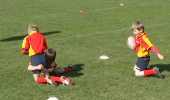
Keep your players on their toes with this quick-fire 1v1 tackling exercise. Start with bags then progress to live tackles. Defending players have an obstacle to negotiate before performing the tackle, just as they may have in a game.
 1:51
1:51
Tackle on Knees
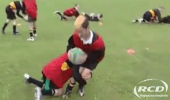
An easy progression into tackling, with some movement. Use to build players' confidence before moving into full tackling.
 1:20
1:20
Introduction to tackling - Step 2
The transition from practicing tackling on knees to tackling on feet starts with the tackler remaining on their knees and the ball-carrier walking past. Then progress to having both players on their feet, but still executing the tackle at a controlled, walking pace.
 1:45
1:45
Around The Clock Tackling
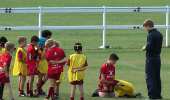
Set up 5 cones around in a circle. The tackler works out from the first cone to make the tackle. The tackler then backtracks around the next and then comes forward to make the tackle again. Two tackles off the right shoulder, one front on and two off the left shoulder.
 7:59
7:59
Learning to Tackle - Under 9's & Up
The RFU new rules of play have completely changed the approach of introducing young players to tackling. A phased approach may challenge previous methods however by viewing the practical session on this video you can see how the process works
 4:15
4:15
Sevens - Uncovered - Defence
The leading international coaches explain why defence is so important and how much emphasis they put on it. This clip features a variety of tackles and techniques and post good defence the opportunity to turn the ball over. Most coaches will use a system for their defence and here are some insights
CCRU - Principles of Play - Build Pressure
By competing for possession, going forward and supporting, the continuity will apply pressure to the opposition.
Remember that a team cannot apply pressure to the opposition unless it is prepared to apply pressure to itself